Knob and Tube Wiring: Can You Get Home Insurance in BC ?
We are Kay1 Electric LTD, and we help Vancouver, Coquitlam, North Vancouver and West Vancouver homeowners and business owners sort this out fast.
It is often possible to get home protection even with legacy cables, but the options, conditions and timelines vary with what is active today.
In this guide we explain what legacy systems are, why companies flag them, which documents underwriters want, and practical electrical steps that improve safety and insurability.
We set expectations: you can often still secure home insurance, though comprehensive coverage and replacement-cost choices depend on inspection findings, photos and permits.
Call us at (778) 900-1004 to discuss your home, timelines and what an insurer is likely to ask for. Call 7789001004 for quick answers and clear next steps.
Key Takeaways
- You can often obtain home insurance in BC with older systems, but coverage depends on current condition.
- Insurers usually require inspection reports, photos and clear upgrade plans.
- We provide fast inspections, transparent reports and upgrade options to support underwriting.
- Act early at renewal or sale to avoid last-minute delays to policy or closing dates.
- Contact Kay1 Electric LTD at (778) 900-1004 to get tailored advice for your property.
Knob and Tube Wiring in Older BC Homes: What It Is and Why It Matters for Insurance
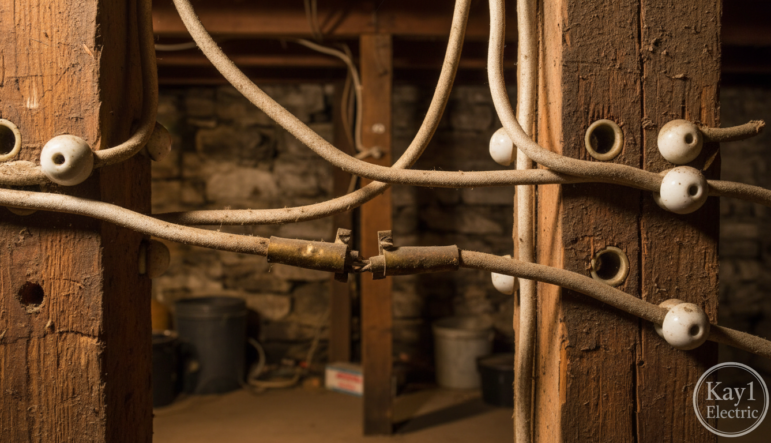
In older BC residences you’ll often find a two-conductor setup that relies on porcelain supports through joists.
How the system runs: One hot conductor and one neutral travel separately. Porcelain knobs hold the conductor away from wood. Porcelain tubes protect the conductor where it passes through framing. Insulation on these conductors is usually rubberized cloth.
Why it differs from modern systems
This older design uses separate conductors rather than a modern sheathed cable. A key difference is the lack of a grounding conductor. Many homes with this setup also have smaller service ratings, often around 60 amps.
Why it matters for safety and underwriting
Safety concerns focus on grounding absence and limited load capacity for kitchens, HVAC and electronics. That raises questions for underwriters about fault protection and claims risk.
- Where you’ll find it: attics, basements and crawlspaces.
- What to watch for: brittle insulation, improper splices, or insulation contact.
- Who should check it: a licensed electrician, not a DIY inspection.
| Feature |
Older system |
Modern standard |
| Conductors |
Separate hot & neutral |
Twinned in sheathed cable |
| Grounding |
None |
Protected grounding conductor |
| Typical service |
~60 amps |
100–200+ amps |
Next step: If you suspect this system in your home, call Kay1 Electric LTD at 7789001004 for a fast, documented inspection to support underwriting decisions.
Why Insurance Companies Flag Knob Tube Wiring: Risk, Claims, and Coverage Limits
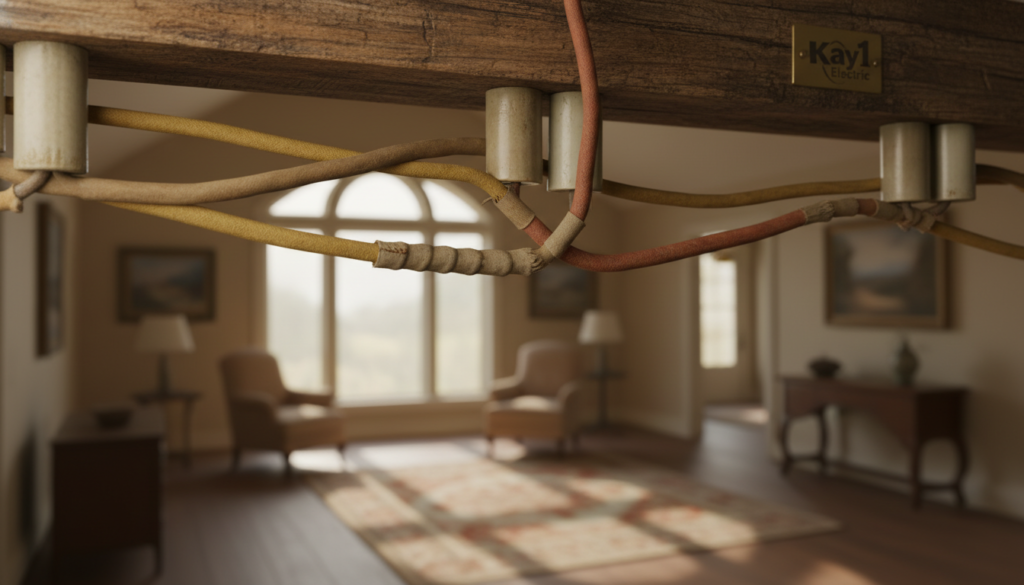
When a home has dated conductors, underwriters focus on where wear, splices or moisture may create exposure.
- Brittle or cracked rubberized cloth insulation that exposes conductors.
- Cracked porcelain supports that no longer hold wires safely.
- Improvised splices, taped joins or soldered connections outside proper junction boxes.
Heat and fire risk factors
These older circuits were meant to run in open air. When modern loads run on the same runs or insulation buries the wires, overheating can occur.
Water and moisture concerns
Kitchens, bathrooms and laundry areas raise the chance of corrosion and short circuits when old insulation ages. That increases the likelihood of property damage.
“Underwriting is about predicting loss; age-related deterioration and undocumented changes raise the risk profile.”
| Issue |
How it raises risk |
Common underwriting outcome |
| Brittle insulation |
Exposed conductors increase ignition potential |
Higher premiums or required repairs |
| Improper splices |
Hidden failure points and poor connections |
Conditional coverage or exclusions |
| Moisture exposure |
Accelerates degradation and shorting |
Refusal or specialty market referral |
What this means for you: We recommend prompt inspection and clear documentation. The fastest path to policy approval is showing safe, limited use or a plan for remediation. Call Kay1 Electric LTD at 7789001004 for a written report that supports underwriting decisions.
Knob and Tube Wiring Insurance: How to Get Home Insurance Coverage in BC Today
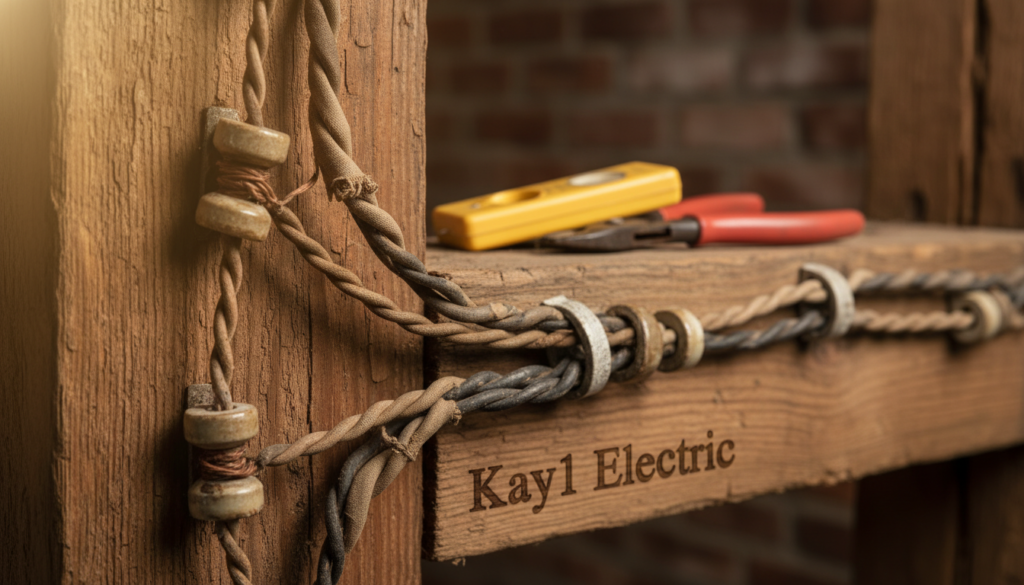
Securing a home policy in BC when older conductors exist takes clear disclosure and a practical inspection plan. Start by telling your insurer whether active knob tube wiring runs through attic, basement or the whole property. Give the extent (partial vs whole), service size if known, and any recent electrical upgrades.
Non-disclosure is risky. If a loss traces back to undisclosed wiring, your claim can be denied. Always be accurate — underwriting relies on facts.
What insurers commonly require before binding or renewing
- A licensed electrician’s inspection and a written report with photos.
- Documentation of any completed remediation or a timeline for upgrades.
- Clear statements about how much of the home still uses tube wiring.
How underwriting and premiums vary
Standard insurers may refuse or add strict conditions. Specialty markets often accept risk with surcharges, deadlines or partial coverage limits.
Premiums can rise — surcharges or temporary higher rates are common until upgrades finish. In some cases, increases are substantial.
Quick checklist when comparing companies
| Ask |
Why it matters |
| Replacement cost vs actual cash value |
Affects payout after a wiring-related loss |
| Electrical exclusions |
Clarifies what wiring issues void coverage |
| Required protection devices |
GFCI/AFCI requirements can limit risk |
We translate site findings into insurer-ready reports so you can shop policies faster. Call Kay1 Electric LTD at 7789001004 for a fast inspection and paperwork that supports your home insurance needs.
Electrical Solutions That Improve Safety and Insurability Without Guesswork
Start with a focused plan: an electrician inspection that clearly separates active runs from abandoned circuits and shows immediate hazards.
Get a licensed inspection and an insurer-ready report
We perform a room-by-room check and deliver a written report with photos, a percent-of-home scope, and prioritized fixes. That report helps underwriters see facts, not guesses.
Short-term targeted upgrades
Replace damaged runs, correct unsafe splices, and remove insulation in contact with older conductors to reduce immediate fire risk. Isolate high-load appliances to avoid overloads.
Recommended protection devices
GFCI devices protect wet areas. AFCI devices reduce arc-fault fire risk in living spaces. Device choices must match the existing electrical system and code.
Full replacement, timelines and permits
Full rewiring requires access, drywall repair, permits and municipal inspections. Typical timelines vary by home size and scope; we plan schedules to limit disruption.
| Action |
Benefit |
Typical cost range |
| Targeted repairs (runs, splices) |
Fast risk reduction, insurer goodwill |
$500–$3,000 |
| Protection devices (GFCI/AFCI) |
Reduces shock and arc risks |
$200–$800 |
| Full replacement |
Long-term safety and modern service |
$5,000–$10,000+ |
“A clear, documented plan is the fastest way to turn an underwriting question into a binding policy.”
We coordinate the electrical plan with your insurer’s timeline to avoid coverage gaps. If you’re in Coquitlam, Vancouver, North Vancouver or West Vancouver, call Kay1 Electric LTD at (778) 900-1004 to schedule an inspection and get insurer-ready documentation.
Conclusion
A licensed assessment and photos usually make the difference when seeking coverage for older home circuits.
We summarise the practical takeaway: getting cover for properties with knob tube runs is often possible today with clear proof of condition, scope and a remediation plan.
Disclose accurately, document professionally, and choose the right path—standard or specialty—based on what the inspection shows about the system and active wires.
Safety is central: reducing heat, moisture and exposed conductors lowers real risk and improves underwriting outcomes.
Call (778) 900-1004 to book an inspection. We prioritise fixes, set timelines and deliver insurer-ready reports so you can secure insurance with fewer surprises today.
FAQ
What does "Knob and Tube Wiring: Can You Get Home Insurance in BC?" mean for my house?
Older electrical systems installed with porcelain supports and ceramic tubes can still be insured in British Columbia, but coverage depends on condition, documentation and insurer appetite. We help homeowners in Coquitlam, Vancouver and North and West Vancouver prepare inspection reports and remediation plans that insurers accept. Call Kay1 Electric LTD at (778) 900-1004 to start.
How does this older electrical system actually work?
The system runs separate live and neutral conductors supported by porcelain knobs and routed through ceramic tubes. Conductors are single insulated and spaced apart, which was sufficient for past loads but lacks modern grounding and capacity. A licensed electrician can show you the layout and risks during an inspection.
Why do insurers treat this system as obsolete and risky today?
Insurers see three main issues: no grounding, limited ampacity for modern appliances, and older insulation that can become brittle. Those factors raise the chance of shocks, overheating and fire, so underwriters look closely at condition and any upgrades before offering standard coverage.
What safety problems do insurance companies specifically look for?
Common red flags include cracked ceramic parts, frayed or brittle insulation, DIY splices, overloaded circuits and evidence that thermal insulation is in contact with the conductors. Water damage in areas like bathrooms or basements also increases risk and can affect coverage.
How do heat and load issues raise the fire risk?
Modern homes draw higher continuous loads than this system was designed for. Overloaded circuits generate heat; if insulation is degraded or wires are covered by attic insulation, that heat can build up and ignite nearby materials. Insurers consider this when assessing policy terms.
Does moisture exposure change an insurer’s decision?
Yes. Exposure to water accelerates deterioration and increases short-circuit risk. Kitchens, bathrooms, laundry rooms and basements are high‑risk locations that insurers will inspect closely and may require remediation or restrictions for coverage.
What can happen to my policy if my home still has this system?
Possible outcomes include higher premiums, conditional or limited coverage, required electrical upgrades, or refusal by some standard insurers. Specialty insurers might offer policies with endorsements or surcharges if you provide inspection reports and mitigation plans.
What must I disclose to an insurer about my electrical system?
You must disclose the presence and condition of the original conductors and any known defects. Non‑disclosure can void a claim. We recommend sharing a recent licensed electrician’s inspection report to speed underwriting and avoid surprises.
What will insurers commonly require before binding or renewing coverage?
Typical requirements include a full electrical inspection by a licensed contractor, photos or a written report, and completion of any recommended safety repairs. Some insurers ask for permits and municipal inspection records for major electrical work.
How do underwriting decisions differ between insurers?
Standard insurers often decline or restrict properties with unresolved risks. Specialty or high‑risk markets may offer coverage with higher premiums or specific exclusions. Underwriting varies by company risk tolerance and actuarial data.
How might my premium change if my home has this old system?
Premiums can increase due to perceived higher loss probability, or carriers may add a surcharge. The exact change depends on condition, mitigation steps completed, location and insurer. Getting repairs and documentation typically lowers the cost impact.
What should I ask when comparing home insurance companies?
Ask about electrical exclusions, requirements for inspections, surcharge levels, replacement cost coverage, and whether they accept staged upgrades. Request written confirmation of any conditions so you understand coverage limits.
What immediate electrical actions improve safety and insurability?
Have a licensed electrician complete an inspection and produce a written report. Targeted fixes—replacing damaged conductors, removing insulation contact, and securing proper splices—often reduce insurer concerns quickly.
Which protection devices are commonly recommended?
Ground-fault circuit interrupters (GFCIs) for wet areas and arc-fault circuit interrupters (AFCIs) where applicable can improve safety. These devices reduce shock and arc-related fire risk, which insurers value when assessing policies.
When is full replacement the right choice and what does it involve?
Full replacement is often best when the system is extensively degraded or cannot meet modern load needs. It involves permits, municipal inspections, removal of old conductors and installation of grounded, code‑compliant wiring. Timelines depend on home size and access.
How much should I budget for full rewiring in the Vancouver area?
Typical costs range from about ,000 to ,000 or more, depending on home size, wall access and required upgrades. We provide clear estimates and help plan phased work to manage budget and insurance timelines.
How do I coordinate an insurance quote with an electrical plan to avoid coverage gaps?
Share a licensed electrician’s timeline and inspection report with potential insurers up front. Confirm any conditional terms in writing and schedule repairs promptly. We assist clients in Coquitlam and the Vancouver region to align electrical work with insurer requirements.
What is the next step if I want expert help and an inspection?
Contact Kay1 Electric LTD at (778) 900-1004. We perform licensed inspections, provide written reports suitable for insurers, recommend targeted upgrades, and help you plan full replacement if needed.