608 Como Lake Ave, Coquitlam, Vancouver, V3J0B2
07:00 AM - 09:30 PM
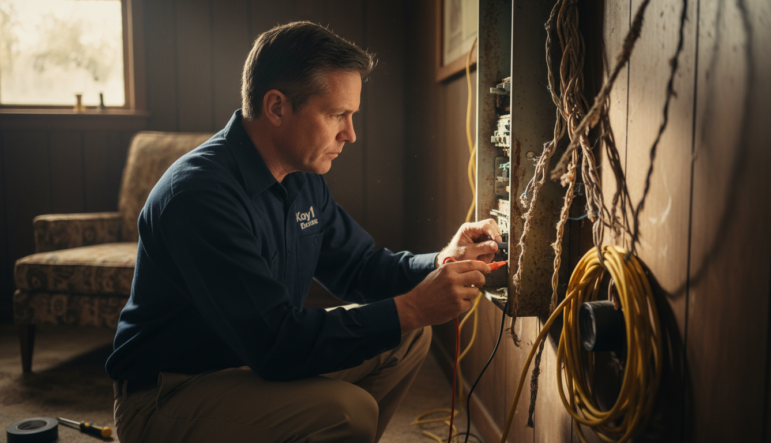
Surprising fact: in Metro Vancouver nearly one in five older houses shows signs of wiring problems that can raise insurance costs or delay closing. That scale matters when you’re signing papers.
We help you see what’s at stake when you buy an older home. Hidden wiring faults can affect your safety, your renovation budget, and the quotes insurers give you.
Our goal is simple: an Electrical Safety Inspection spots unsafe conditions and gives clear priorities before you take ownership. We explain what you can check yourself and what needs a licensed pro.
Short timelines? We keep advice practical for quick closings and tight inspection windows. We preview the big themes you’ll see: wiring age, outlet protection, panel capacity and signs of overheating that can cause fires.
We’re Kay1 Electric LTD, active in Coquitlam, Vancouver, North Vancouver and West Vancouver. If you want to act now, call (778) 900-1004 to book a professional electrical safety check.
A home’s age changes its wiring and circuits in ways buyers rarely notice at a walkthrough. Small signs can point to bigger problems that develop over many years.
Heat, vibration and moisture degrade insulation and connections. Over time this wear raises the risk of shock and fire. Even outlets that look fine can have loose contacts or hidden corrosion.
Worn cables and aged insulation reduce capacity. Intermittent circuits, warm switch plates and loose outlets are common symptoms. These show how years of use create slow damage.
Past upgrades sometimes add mixed-quality work. Undocumented changes or spliced circuits can create code gaps and potential hazards. A device that “passed once” may not be safe now after new loads or owners.
“Hidden faults often appear only under load — when modern appliances run at the same time.”
| Common sign | What it suggests | Likely action |
|---|---|---|
| Warm switch or plate | Loose connection or overload | Repair or tighten, check circuit load |
| Loose outlet | Worn contacts or backstabbed wiring | Replace device, re-terminate wires |
| Intermittent circuits | Aged wiring or poor joins | Trace and repair circuit, test under load |
Call Kay1 Electric LTD at (778) 900-1004 to discuss concerns about wiring, outlets or circuits in a home you’re considering.
Before you buy, a focused review tells you what must be fixed now and what can wait. We use testing and visual checks to show hazards and practical priorities for your purchase.
We evaluate visible components, test key devices, and look for gaps across the electrical system. That includes outlets, panels, grounding, and common wiring faults.
Using ESA guidance as an example, inspections support family protection and align work with the Ontario Electrical Safety Code. Published checklists are helpful but do not replace the full code or local rules.
An inspection documents conditions; it does not excuse non-compliant methods or ongoing maintenance. The scope is limited to the installation named in the request, so ask what panels and circuits are included.
| Scope | What it shows | Limitations | Buyer action |
|---|---|---|---|
| Visible devices & panels | Hazards, urgent repairs | Not a full code manual | Plan repairs, get quotes |
| Testing under load | Intermittent faults | Only areas listed in request | Ask for re-test after repairs |
| Documentation | Priorities and recommendations | Doesn’t replace licensed work | Hire a pro; keep records |
Practical takeaway: Use findings to prioritise urgency, negotiate, and arrange professional work. Call Kay1 Electric LTD at (778) 900-1004 to book a review in Vancouver, North Vancouver, West Vancouver or Coquitlam.
Older wiring problems hide in plain sight; spotting common hazards before you buy saves money and reduces risk.
Look for cracking, discoloration or exposed conductors on visible wires. These signs mean insulation has deteriorated and can spark or fail under load.
Flickering lights, warm switch plates and breakers that trip often point to overloaded circuits. These conditions raise the chance of electrical fires and must be addressed.
Loose outlets, open grounds or reversed polarity increase shocks. Missing GFCI protection in bathrooms, kitchens and exteriors is a common hazard to watch for.
Red flags are corrosion, poor labelling, messy terminations and any signs of overheating. Heavy appliance use and extension-cord workarounds can push old circuits past their limit.
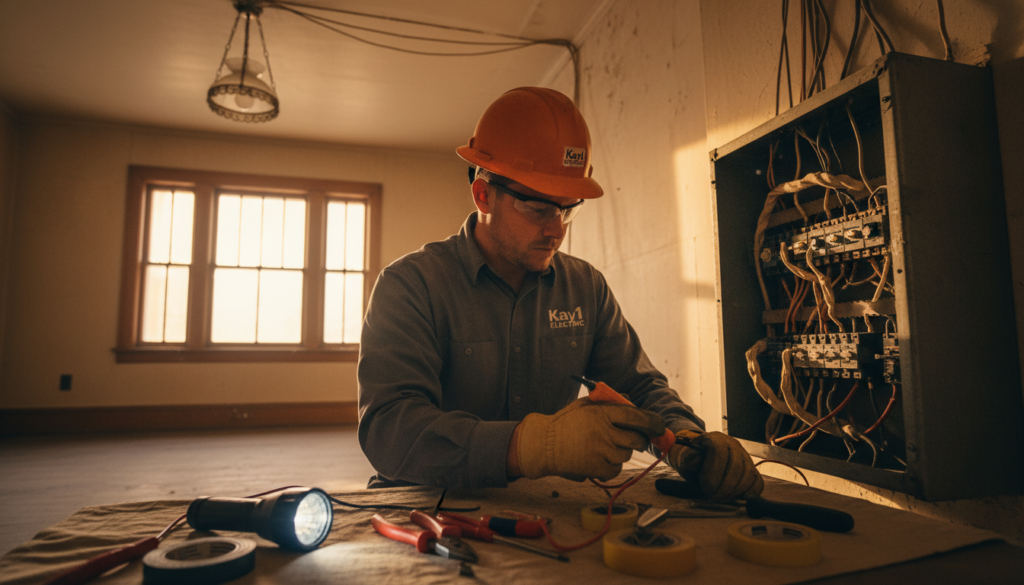
Plan the inspection so you get clear findings while you still have the power to act. Book the review within your subject or condition period. That gives you the time to use findings in negotiations without rushing decisions.
We focus first on urgent hazards and clear cost items. Documented faults let you request seller repairs or credits.
When time is short, prioritise items that affect immediate habitability and major appliance circuits. Get rough repair estimates to support negotiations.
What to have ready: listing details, seller disclosures and any reported issues. Early scheduling reduces surprises and keeps repairs from becoming last-minute costs.
Call Kay1 Electric LTD at 7789001004 to book a timely review in Vancouver, Coquitlam or North and West Vancouver.
Choosing the right licensed electrician in British Columbia starts with clear questions and local experience. We help buyers pick a pro who documents issues, ranks risk, and explains repair options.
Ask for licence numbers and proof of insurance. Confirm the electrician’s experience with older homes and common retrofit work in your area.
Get details on the scope: which panels, representative circuits, and sample outlets will be tested. Ask if bonding and grounding continuity checks are included.
A proper professional inspection is more than a visual check. It should include documented testing, photos, a severity ranking and written repair recommendations.
“A thorough report lets you negotiate repairs or plan needed work with confidence.”
| Buyer checklist | What to expect | Why it matters |
|---|---|---|
| Licence & insurance | Licence number, liability coverage | Accountability and legal protection |
| Scope of service | Panels, circuits, outlets, bonding | Avoids hidden gaps in testing |
| Report format | Photos, notes, severity levels | Supports negotiations and repairs |
| Follow-up | Re-check after repairs available | Confirms work resolves the issue |
We recommend Kay1 Electric LTD for Coquitlam, Vancouver, North Vancouver and West Vancouver. Call 7789001004 to schedule an electrical safety check and get a buyer-focused report.
Simple steps at the property make the process smoother and more thorough.
We recommend clearing access to the electrical panel and nearby circuits. Leave at least one metre of free space so testers can open covers and work safely.
Identify attic and crawlspace routes and unlock garage areas. Mark any exterior circuits that power sheds or outdoor outlets.
Tell us about past permits, renovation notes, and documented repairs. Note recurring issues such as dimming lights or breakers that trip under normal power use.
Keep the work area clear and provide lighting where access is poor. Secure pets and inform tenants or realtors about the visit so testing is uninterrupted.
| Task | Why it matters | Time saved |
|---|---|---|
| Clear panel area | Allows full access for testing | 15–30 minutes |
| Provide permit/repair notes | Targets likely trouble spots | Reduces diagnostic time |
| Unlock attic/crawlspace | Enables tracing of hidden circuits | Avoids follow-up visit |
| Secure pets & light work area | Keeps team safe and focused | Prevents interruptions |
What to expect: homeowners should plan one to two hours for panel and circuit testing. If key areas are blocked, we may need a second visit and additional fees.
Call Kay1 Electric LTD at 7789001004 to book and get a prep checklist tailored to your property.
We map the visit from arrival to final report so you can ask the right questions on site. Our goal is to show exactly how each part of the process works and what you should expect as a buyer.
We sample outlets and switches, verify polarity and ground presence where applicable, and watch circuit behaviour under normal loads.
That lets us spot loose terminations, open grounds or devices that need immediate attention.
We check labeling accuracy, confirm breaker size matches conductor rating, and look for discoloration or melted insulation that suggests heat damage.
Clear labels and correct sizing reduce surprise costs and help you plan repairs.
We test bonding and grounding continuity so fault current has a safe path to ground. Bonding simply means metal parts are tied together to prevent dangerous voltages.
Result: you leave with a clear report and a practical plan to improve system safety and support your purchase decision. Call Kay1 Electric LTD at 7789001004 to book a review.
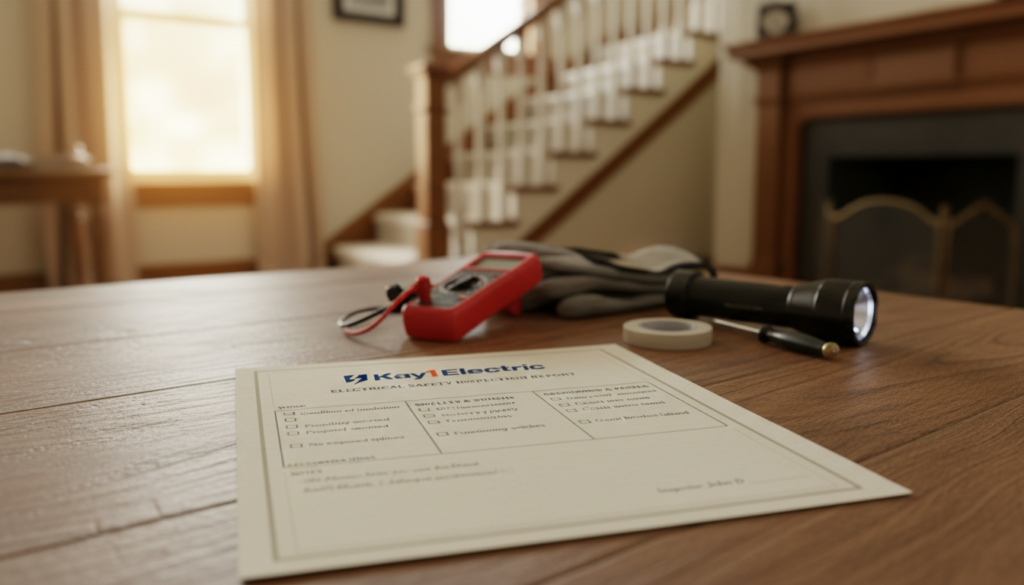
Knowing the staged checks used in Canadian code-style reviews helps you spot missing permits or concealed work. We explain each stage in plain language and why it matters when a home has had renovations or additions.
What it is: branch wiring and outlet boxes are installed and visible before anything is covered.
Why it matters: this is the moment a reviewer verifies wiring routes, box fill and correct cable types.
What it is: customer-owned service equipment and related wiring are finished before connection to the utility.
Why it matters: service upgrades in older homes must be examined before energizing to ensure proper equipment and grounding.
What it is: devices, cover plates, panel cover and an accurate panel directory are in place for sign-off.
Why it matters: a completed final stage shows work was finished to the required codes and supports resale or permit closure.
| Stage | Visible items | Inspector focus | Buyer takeaway |
|---|---|---|---|
| Rough-in | Branch wiring, outlet boxes | Routing, box fill, cable type | Ask for photos or permit stamp |
| Service | Service mast, meter base, grounding | Equipment rating, bonding, connection | Verify upgrade records before closing |
| Final | Devices, covers, panel directory | Function, labelling, sign-off | Request final paperwork and permit closure |
When buying, look for evidence that each stage was inspected and documented. If work on a basement suite, kitchen or panel upgrade shows no staged sign-off, ask for proof or a re-check. Call Kay1 Electric LTD at 7789001004 to review documents or book an inspection and get clear guidance before you finalize a purchase.
Many buyers inherit partially finished electrical work that looks complete but lacks final approvals. We see how a missing certificate or loose cover can stall closing or create hazards for occupants.
Written authorization from a safety officer is typically required before any circuit is energised after work. That certificate proves the work was reviewed and cleared for use.
Create an electrically safe work condition by controlling all power sources and preventing accidental contact. Never remove a panel cover unless the panel is de-energised.
Re-install the cover before re-energising. Do not remove the main breaker barrier unless the utility disconnects the supply. For final checks, breakers stay off unless written permission allows otherwise.
Important notes:
“Written sign-off and simple panel controls reduce shocks and legal exposure after renovations.”
Questions about a certificate or panel handling? Call Kay1 Electric LTD at 7789001004 for clear advice in Vancouver, North Vancouver, West Vancouver and Coquitlam.
After the report arrives, treat it as a buyer’s checklist for action and negotiation.
Prioritizing hazards: start with urgent risks that threaten people or property. Address overheating, exposed conductors and unsafe panels first. These items affect habitability and closing timelines.
Next, plan upgrades for capacity and convenience. Add circuits, improve labelling and increase outlet counts only after urgent work is booked. That keeps budgets and schedules clear.
Use findings to negotiate. You can request seller-performed repairs by qualified electricians, ask for a credit, or revise your offer to reflect real costs and time required.
Keep thorough records: the report, photos, invoices, permits and a short summary of completed work. These documents protect you now and boost resale trust later.
Request a re-inspection after major work — panel upgrades, panel rewiring or big appliance installs. A follow-up confirms issues were resolved and reduces future surprises.
| Action | When | Why it matters |
|---|---|---|
| Address urgent hazards | Immediately | Protects occupants; needed for closing |
| Plan capacity upgrades | After urgent repairs | Improves function; budgeted separately |
| Negotiate with seller | During condition period | Offsets repair cost and time |
| Keep documentation | Ongoing | Supports future sale and claims |
“A report is a plan, not a finish line — acting on it improves reliability and value.”
Need help prioritising or booking repairs? Call Kay1 Electric LTD at 7789001004. We work across Coquitlam, Vancouver, North Vancouver and West Vancouver to help homeowners move forward with confidence.
Ready to move forward? Booking a professional review is the quickest way to turn doubts into decisions.
Call us at (778) 900-1004 to lock in a visit that fits your subject-removal timeline. We respond quickly for buyers in Coquitlam, Vancouver, North Vancouver and West Vancouver.
We give a clear scope, perform on-site testing where safe and accessible, and deliver written findings you can use for negotiation.
Buyers gain clarity before possession: fewer surprises, better budgeting, and stronger negotiating positions. Call (778) 900-1004 to schedule your electrical safety check at a time that fits your closing plan.
A concise review of outlets, panels and wiring helps you avoid costly surprises after closing.
We sum up the core takeaway: when buying an older home, a focused inspection is one of the most practical ways to reduce safety risk and protect your investment.
The whole system matters — wiring integrity, outlet protection, panel condition and how power demand matches the house capacity. Plan upgrades where needed and document all changes.
Follow the how-to flow: spot red flags, book the review at the right time, prepare access, understand the steps, and act on the report. That work improves daily living and long-term value.
If you’re in Coquitlam, Vancouver, North Vancouver or West Vancouver, call (778) 900-1004 to book your electrical safety inspection with Kay1 Electric LTD.
